Raw Processing: Building a Professional Workflow That Actually Scales

Raw Processing: Building a Professional Workflow That Actually Scales

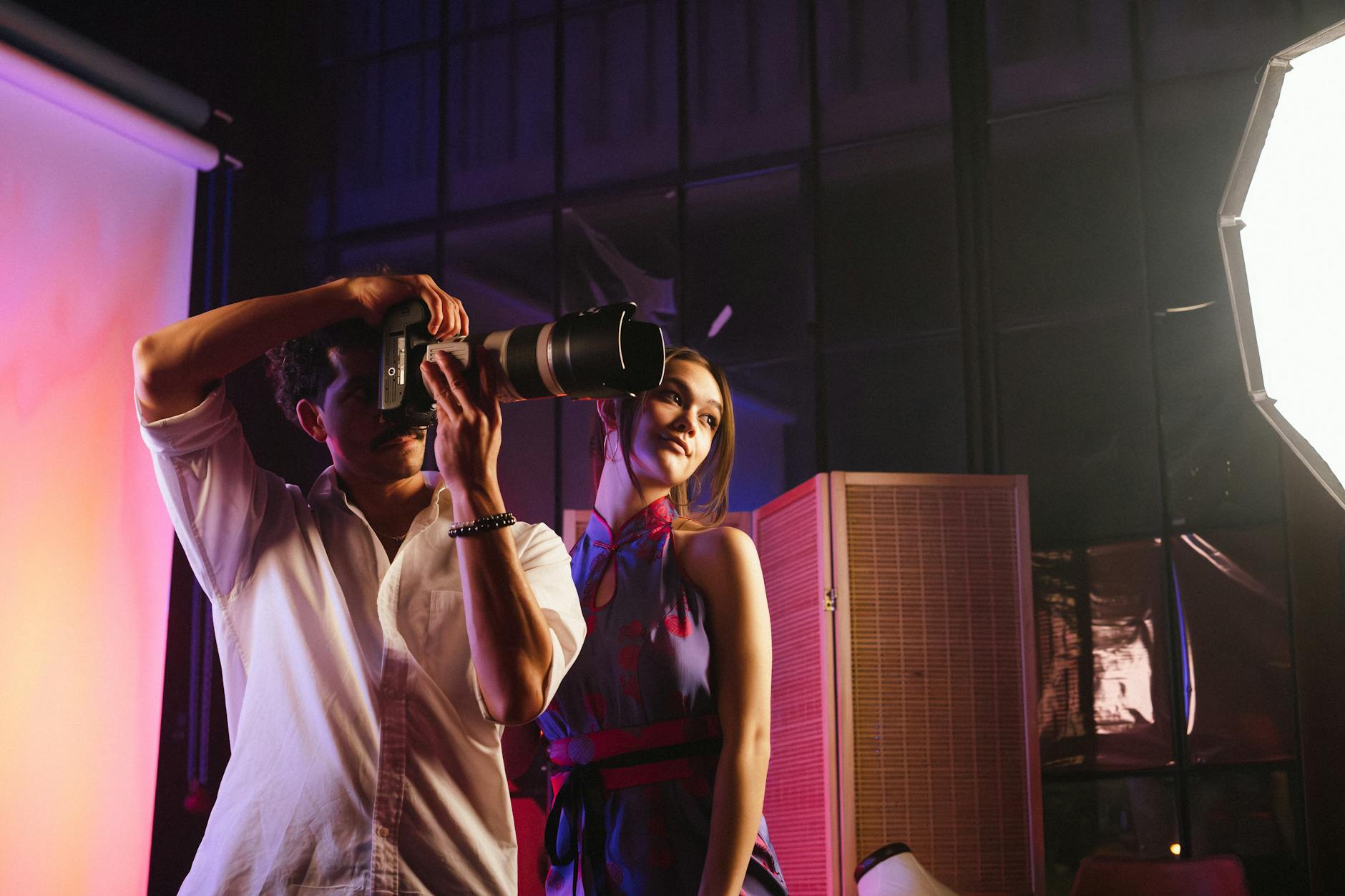
Raw Processing: Building a Professional Workflow That Actually Scales I’ve watched photographers spend more time processing images than shooting them. That’s not professionalism—that’s poor systems. After twenty years shooting weddings, events, and commercial work, I’ve learned that raw processing isn’t just about making images look good. It’s about building a repeatable, profitable workflow that doesn’t drain you before lunch. Why Raw Processing Matters to Your Bottom Line Let me be direct: if you’re shooting JPEG, you’re leaving money on the table.

Second Shooting: Why It's Non-Negotiable in My Studio

Second Shooting: Why It's Non-Negotiable in My Studio

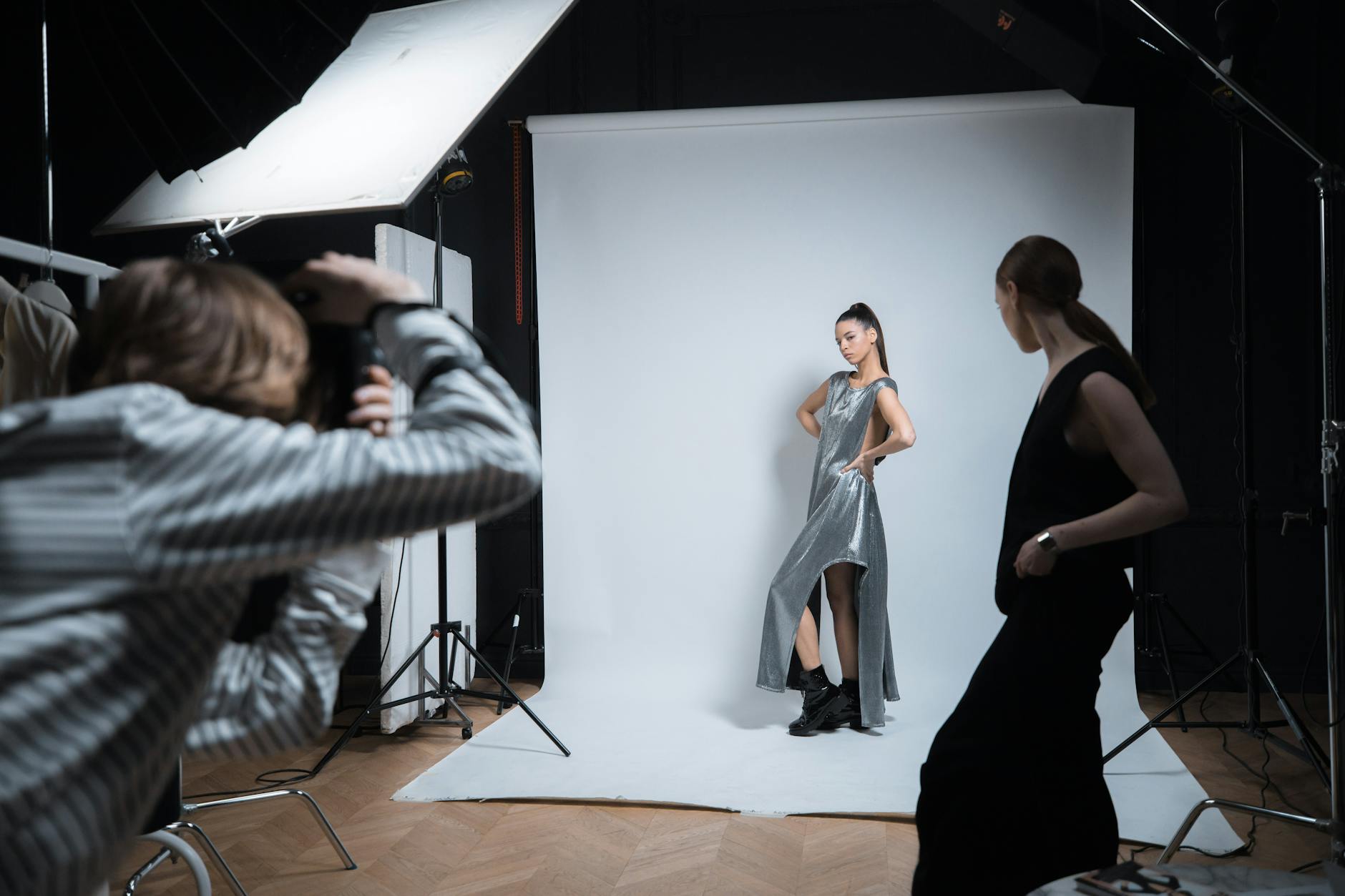
Second Shooting: Why It’s Non-Negotiable in My Studio I didn’t hire a second shooter because I wanted to. I hired one because I had to—after I nearly lost $8,000 and my reputation in a single afternoon. That day, my camera failed mid-ceremony. No backup body. No second set of eyes. No contingency. The couple got married once. I didn’t get a second chance to capture it. That failure taught me more than a decade of smooth shoots ever could.

Why Calibration is Non-Negotiable in Professional Photography

Why Calibration is Non-Negotiable in Professional Photography

Why Calibration is Non-Negotiable in Professional Photography I’ve been shooting professionally for over twenty years, and I can tell you with absolute certainty: nothing kills a client relationship faster than delivering images that don’t match what they saw on your screen. I learned this the hard way early in my career, and it cost me both money and reputation. That’s why calibration is the first thing I address with photographers trying to scale their business.

File Management That Actually Works: A Professional Photographer's System

File Management That Actually Works: A Professional Photographer's System

I’ve shot somewhere north of 200,000 images in my career. Early on, I stored photos in folders called “Best Shots,” “Backup,” and “Maybe These.” I lost three months of work to a corrupted drive. That failure cost me money and nearly killed a client relationship. It also taught me that a chaotic file system isn’t just annoying—it’s a liability. Over the last fifteen years, I’ve refined a naming and folder structure that scales.

Tethered Shooting: Why Every Professional Studio Should Be Doing It

Tethered Shooting: Why Every Professional Studio Should Be Doing It

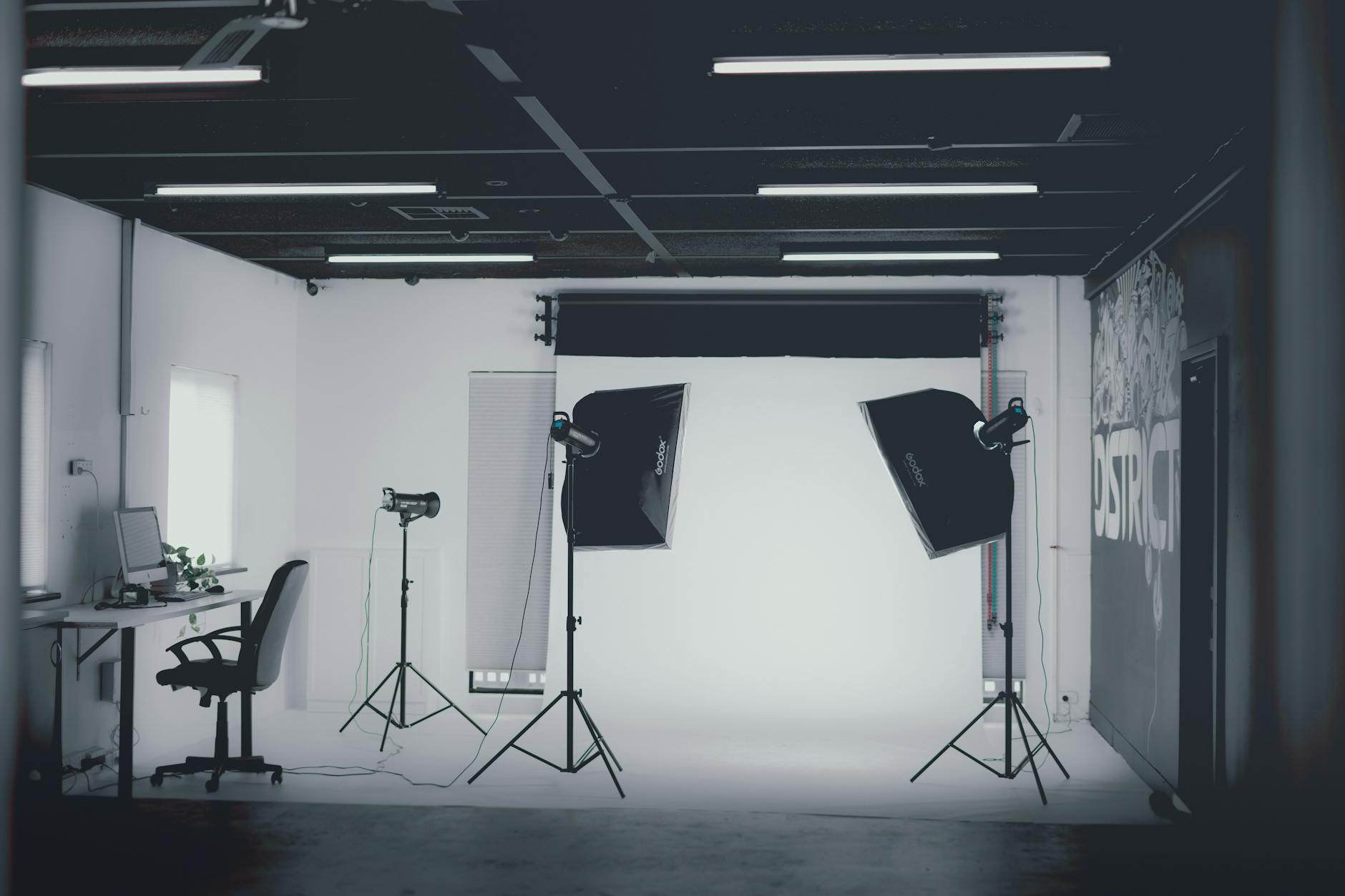
Tethered Shooting: Why Every Professional Studio Should Be Doing It I didn’t embrace tethered shooting until about eight years into my career, and I’ll be honest—it felt like extra complexity at first. Then I realized I was leaving money and credibility on the table. Now it’s non-negotiable for any session that happens in my studio. What Tethered Shooting Actually Does for Your Business Tethered shooting means your camera feeds images directly to a computer display in real time.

Stop Losing Money: The Client Workflow System That Actually Works

Stop Losing Money: The Client Workflow System That Actually Works

I’ve shot thousands of sessions over the past two decades, and I can tell you with absolute certainty: your workflow determines your profitability more than your camera ever will. Most photographers I know are leaving money on the table because their client process is a mess. Emails get lost in inboxes. Clients don’t know what to expect. Follow-ups happen randomly or not at all. Your website does the heavy lifting to get someone interested, then you drop the ball.