Latest Articles

Why Monitor Calibration Isn't Optional—It's a Business Requirement

Why Monitor Calibration Isn't Optional—It's a Business Requirement

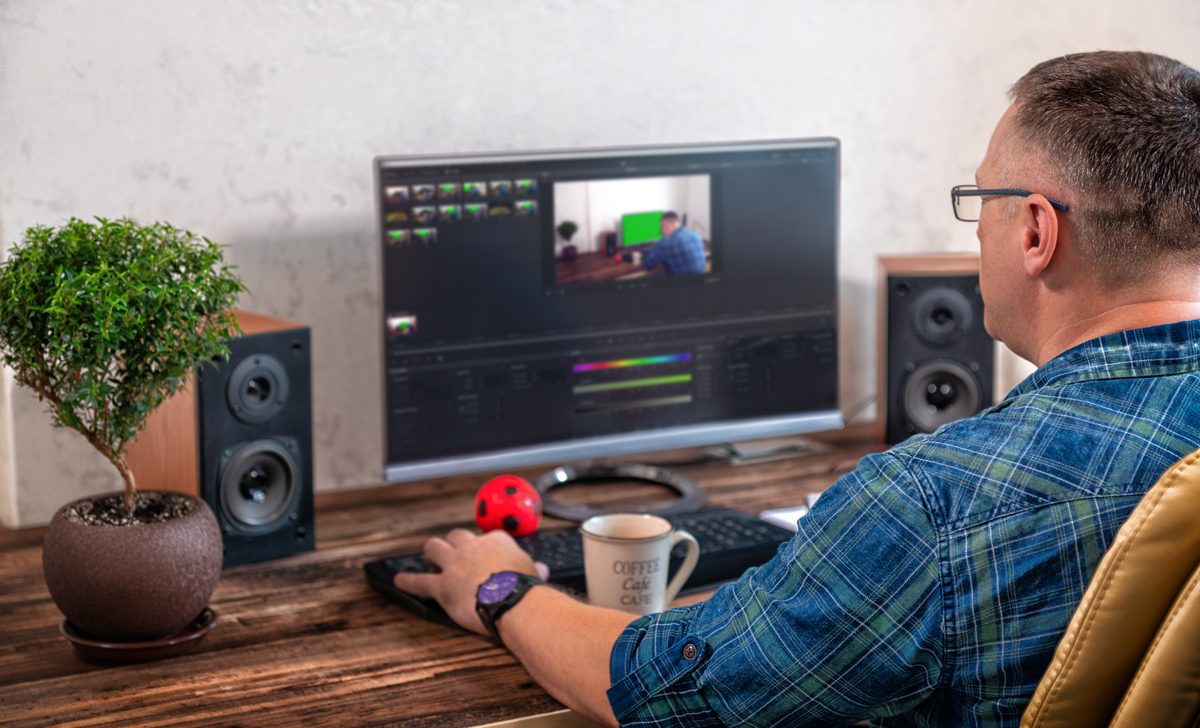
Why Monitor Calibration Isn’t Optional—It’s a Business Requirement I’ve been shooting professionally for two decades, and I can tell you exactly when I stopped losing clients to color disputes: the day I started treating monitor calibration like equipment maintenance, not an afterthought. Here’s the uncomfortable truth: your monitor is lying to you. Every single day. That beautiful skin tone you’ve spent thirty minutes perfecting? Your client is seeing something completely different on their screen.
The Client Workflow That Actually Protects Your Sanity (and Revenue)

The Client Workflow That Actually Protects Your Sanity (and Revenue)

After 15 years shooting professionally, I’ve learned that your technical skills don’t determine your success. Your systems do. I’ve watched talented photographers fail because they treated client communication like it was optional, and I’ve seen mediocre shooters thrive because they had bulletproof processes. Here’s what actually works. Start With Your Inquiry Phase The moment a potential client reaches out, you’re being evaluated—not just on your portfolio, but on your professionalism. I use a simple intake form on my website that requires specifics: date, location, event type, guest count, must-have shots.

Why Raw Processing Isn't Optional—It's Your Competitive Edge

Why Raw Processing Isn't Optional—It's Your Competitive Edge

Why Raw Processing Isn’t Optional—It’s Your Competitive Edge I’ve been shooting professionally for twenty years, and I can tell you with absolute certainty: your raw processing system will make or break your business. Not your camera body. Not your lenses. Your ability to efficiently convert raw files into sellable images. Too many photographers treat raw processing like a necessary evil—something to power through before delivering work. That’s backwards. Raw processing is where you assert creative control, fix marginal shots, and build consistency across an entire shoot.

Why Second Shooting Belongs in Your Professional Photography Workflow

Why Second Shooting Belongs in Your Professional Photography Workflow

Why Second Shooting Belongs in Your Professional Photography Workflow I’ve been shooting weddings and events for over two decades, and I can tell you with absolute certainty: the day I started using second shooters was the day my business actually became scalable. Not because I needed someone to do the work I didn’t want to do—I love photography. But because a second shooter does something no single photographer can: capture two angles simultaneously, ensure coverage of critical moments, and protect your business against disaster.

Why Monitor Calibration Isn't Optional—It's Professional Insurance

Why Monitor Calibration Isn't Optional—It's Professional Insurance

I’ve seen talented photographers lose clients over color shifts they didn’t even know existed. The culprit? An uncalibrated monitor. It’s not glamorous work, but it’s non-negotiable if you’re serious about running a professional operation. The Real Cost of Skipping This Step Let me be direct: if you’re not calibrating your monitor, you’re gambling with every single image you deliver. Your screen might look perfect to you while displaying a color cast that’s obvious to everyone else.

Why Monitor Calibration Isn't Optional in Professional Photography

Why Monitor Calibration Isn't Optional in Professional Photography

Why Monitor Calibration Isn’t Optional in Professional Photography I’ve been shooting and editing for twenty years. In that time, I’ve seen talented photographers destroy their reputations and lose clients over one thing that has nothing to do with their creative skill: a miscalibrated monitor. You can nail the perfect exposure, compose like Annie Leibovitz, and still deliver images that look nothing like what the client saw on their screen. That’s not your fault—until it is, because you didn’t calibrate your display.

Why Monitor Calibration Isn't Optional for Professional Photographers

Why Monitor Calibration Isn't Optional for Professional Photographers

Why Monitor Calibration Isn’t Optional for Professional Photographers I’ve been shooting professionally for nearly two decades, and I can tell you exactly when I stopped losing money on color corrections: the day I stopped ignoring monitor calibration. This isn’t about perfectionism or gear obsession. This is about economics. Every uncalibrated monitor is a money leak in your business—bad color decisions during editing, client revisions because skin tones looked wrong on your screen, prints that don’t match your expectations.

Why Monitor Calibration is Non-Negotiable in Professional Photography

Why Monitor Calibration is Non-Negotiable in Professional Photography

I’ve been shooting professionally for twenty years, and I can tell you with absolute certainty: calibration is where amateurs and professionals diverge. Not on composition. Not on lighting technique. On the unglamorous act of making sure the colors you’re editing actually match what your clients see. I learned this the hard way. Early in my career, I delivered a wedding album with what looked like perfect skin tones on my uncalibrated monitor.

Why Display Calibration Isn't Optional in Professional Photography

Why Display Calibration Isn't Optional in Professional Photography

I’ve walked into enough photography studios to know that most people are flying blind when it comes to color. They’re editing on uncalibrated monitors, delivering files that look nothing like what clients will see, and wondering why everyone’s upset. Then they blame the client’s screen. Stop. That’s on you. Calibration isn’t some luxury for perfectionist art photographers. It’s the foundation of any professional workflow. Without it, you’re guessing. And guessing loses clients and damages your reputation.

Why Calibration is Non-Negotiable in Professional Photography

Why Calibration is Non-Negotiable in Professional Photography

Why Calibration is Non-Negotiable in Professional Photography I’ve been shooting professionally for over twenty years, and I can tell you with absolute certainty: nothing kills a client relationship faster than delivering images that don’t match what they saw on your screen. I learned this the hard way early in my career, and it cost me both money and reputation. That’s why calibration is the first thing I address with photographers trying to scale their business.

The Professional Photography Workflow: From Shoot to Website Delivery

The Professional Photography Workflow: From Shoot to Website Delivery

After twenty-three years shooting weddings, commercial work, and portraits, I’ve learned that what happens after you press the shutter determines your reputation and bottom line far more than your camera body ever will. A solid workflow isn’t glamorous, but it’s the difference between a thriving business and constant firefighting. Build Your Culling Process First I shoot tethered whenever possible, which means I’m already eliminating obvious rejects before the session ends. On your desktop or laptop, import RAW files immediately after the shoot into your designated folder—I use a simple naming structure: YYYY-MM-DD_ClientName_EventType.

The Photography Workflow That Saved My Business: Client Management and Backup Strategy

The Photography Workflow That Saved My Business: Client Management and Backup Strategy

I’ve lost files. Not many, but enough to teach me expensive lessons. After a corrupted external drive nearly wiped out a wedding season’s work in 2015, I completely overhauled how I handle client data and backups. What I’m sharing here isn’t theory—it’s the system that’s kept my business running smoothly for nearly a decade. Build Your Folder Structure Before You Need It Consistency matters more than complexity. On day one with a new client, I create a master folder named by year and client name: 2024_LastnameFirstname_EventType.

Never Miss a Tutorial

Join our newsletter and get weekly tips, tutorials, and exclusive content.

Subscribe Now